 Support us on Patreon
 PayPal
Thank you for helping to keep GamingOnLinux civil and safe!
Please tell us why you're reporting this content. Please note we store your IP address for all reports to help prevent spam and abuse. You can also email any complaints to: [email protected].
- Survive an elevator trying to eat you in co-op horror KLETKA when it releases February 19
- Draft code submitted to KDE Plasma turns it into a full VR desktop
- Proton Experimental brings updates for MonoGame, Rockstar Launcher and more
- Valve tweak Steam AI disclosure form for developers to clarify it's for content consumed by players
- No Rest for the Wicked co-op update lands on January 22 and it hit a big sales milestone
- > See more over 30 days here
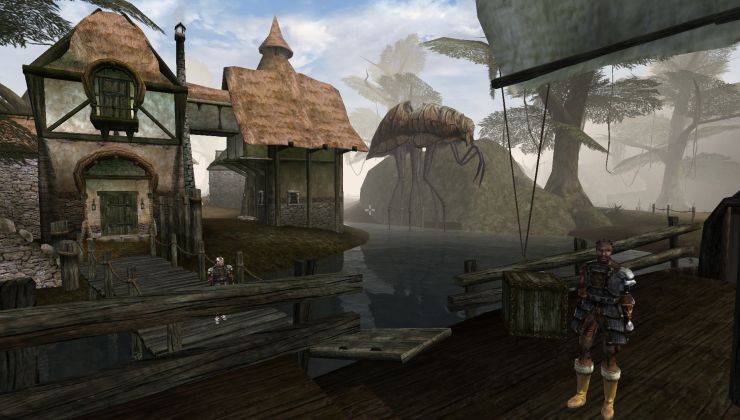 How to setup OpenMW for modern Morrowind on Linux / SteamOS and Steam Deck
 How to install Hollow Knight: Silksong mods on Linux, SteamOS and Steam Deck
- Casual/Social places for developer chatter
- simplyseven - Will you buy the new Steam Frame?
- eev - One-time logout
- Liam Dawe - Away later this week...
- Liam Dawe - Weekend Players' Club 2026-01-16
- grigi - See more posts
1. Requirement that all software commissioned by European states be open sourced – so that it is easily maintable, available to citizens, and providers of that software can be changed (there could be exceptions for specific use-cases, like I understand to keep new military tech classified for some time; I’d still require that to eventually become open-sourced after, say, 20 or 30 years).
2. Maybe a separate open-source fund working similarly to private copying levies and the like – with a tax on income from products involving the use of open-source components. The idea would be that, say, if a company has annual income of over ~1 million euro and the product they’re selling or the infrastructure they maintain uses open-source components (libraries, databases, operating systems…), they pay some low tax (0.5%? 1%? I’ve no feel for what a specific good value would be) of the income. They could avoid paying that tax by either showing that they use absolutely no open-source (and thus don’t benefit from open-source directly) or that they are already contributing back by releasing their stuff (so if they release open-source and earn by maintaining it themselves, they’d be free from the tax). The money would be used by the state to pay foundations, societies, and other organizations maintaining and supporting open-source projects.
Point 2 is pretty much treating open-source as the public infrastructure it de facto is and fund it from taxes from the institutions that use it, as normally it’s done with public infrastructure (roads, media, health-care…).