 Support us on Patreon
 PayPal
Thank you for helping to keep GamingOnLinux civil and safe!
Please tell us why you're reporting this content. Please note we store your IP address for all reports to help prevent spam and abuse. You can also email any complaints to: [email protected].
- Survive an elevator trying to eat you in co-op horror KLETKA when it releases February 19
- Draft code submitted to KDE Plasma turns it into a full VR desktop
- Proton Experimental brings updates for MonoGame, Rockstar Launcher and more
- Valve tweak Steam AI disclosure form for developers to clarify it's for content consumed by players
- No Rest for the Wicked co-op update lands on January 22 and it hit a big sales milestone
- > See more over 30 days here
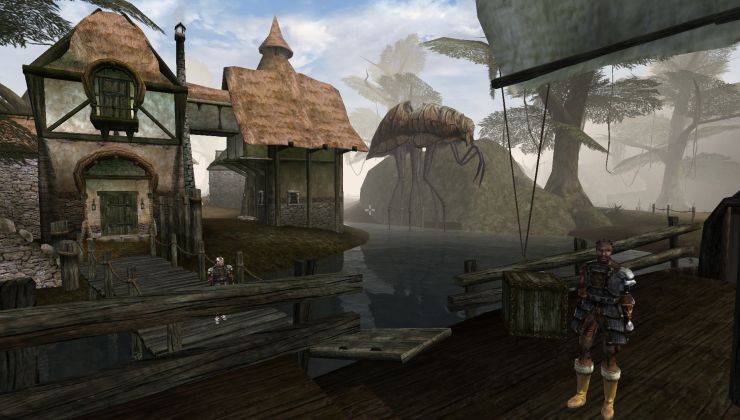 How to setup OpenMW for modern Morrowind on Linux / SteamOS and Steam Deck
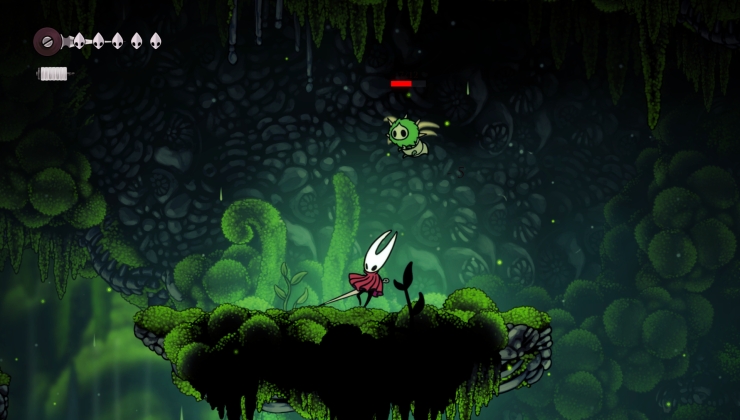 How to install Hollow Knight: Silksong mods on Linux, SteamOS and Steam Deck
- Casual/Social places for developer chatter
- simplyseven - Will you buy the new Steam Frame?
- eev - One-time logout
- Liam Dawe - Away later this week...
- Liam Dawe - Weekend Players' Club 2026-01-16
- grigi - See more posts
dx6 was a big improvement over dx5. Introduced immediate mode which stayed until dx9.
dx7 was basically a drop-in-replacement for dx6. They kept the retained mode libs and updated the immediate mode stuff. As I remember the only noticeable change was how the maxtrix operations was handled, and if you did that change you'd get matrix processing offload to the TnL unit of Geforce/Radeon/Matrox cards of the time.
I think the industry upgraded to dx7 quite fast as it was a near-seamless upgrade from a dx6 codebase.