 Support us on Patreon
 PayPal
Thank you for helping to keep GamingOnLinux civil and safe!
Please tell us why you're reporting this content. Please note we store your IP address for all reports to help prevent spam and abuse. You can also email any complaints to: [email protected].
- Survive an elevator trying to eat you in co-op horror KLETKA when it releases February 19
- Draft code submitted to KDE Plasma turns it into a full VR desktop
- Proton Experimental brings updates for MonoGame, Rockstar Launcher and more
- Valve tweak Steam AI disclosure form for developers to clarify it's for content consumed by players
- No Rest for the Wicked co-op update lands on January 22 and it hit a big sales milestone
- > See more over 30 days here
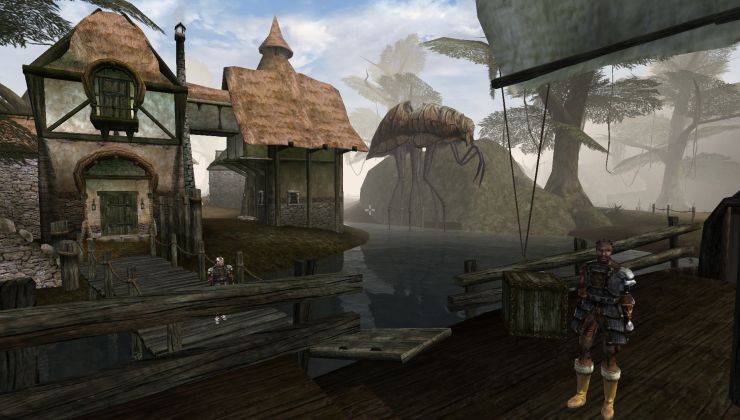 How to setup OpenMW for modern Morrowind on Linux / SteamOS and Steam Deck
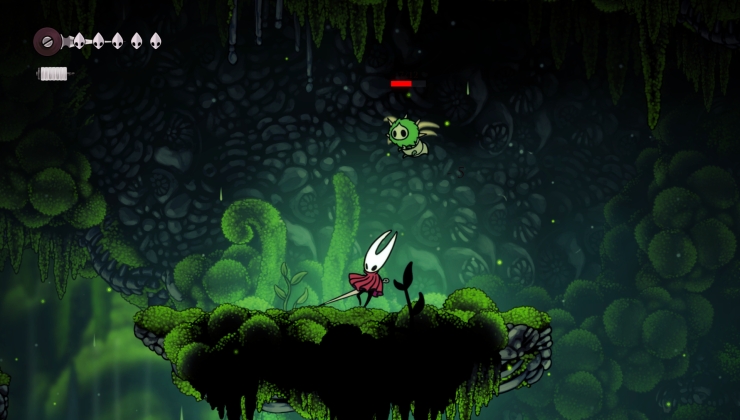 How to install Hollow Knight: Silksong mods on Linux, SteamOS and Steam Deck
- Casual/Social places for developer chatter
- simplyseven - Will you buy the new Steam Frame?
- eev - One-time logout
- Liam Dawe - Away later this week...
- Liam Dawe - Weekend Players' Club 2026-01-16
- grigi - See more posts
I think this decision is being done as a matter of pragmatism. Nobody likes generative AI and game creators currently do lie about using it regularly. And it's not really possible to prove someone used it when coming up with ideas for their game because generic and uninspired games have existed long before chat bots.
The magic trick that neural networks were actually built to do is finding biases and patterns in large sets of data. They can link snakes to water, dwarves to fire, and help you build the next completely unoriginal fantasy rpg by including these links other people have made in your game. And though people might claim to not want this, people still pay good money for bethesda games.